
Security Camera Installation in Carmel, IN
Placement decided by driveways, approach paths and blind spots — on wooded lots off Spring Mill Road and tight corner lots alike.
Get your camera angles planned — (317) 932-7170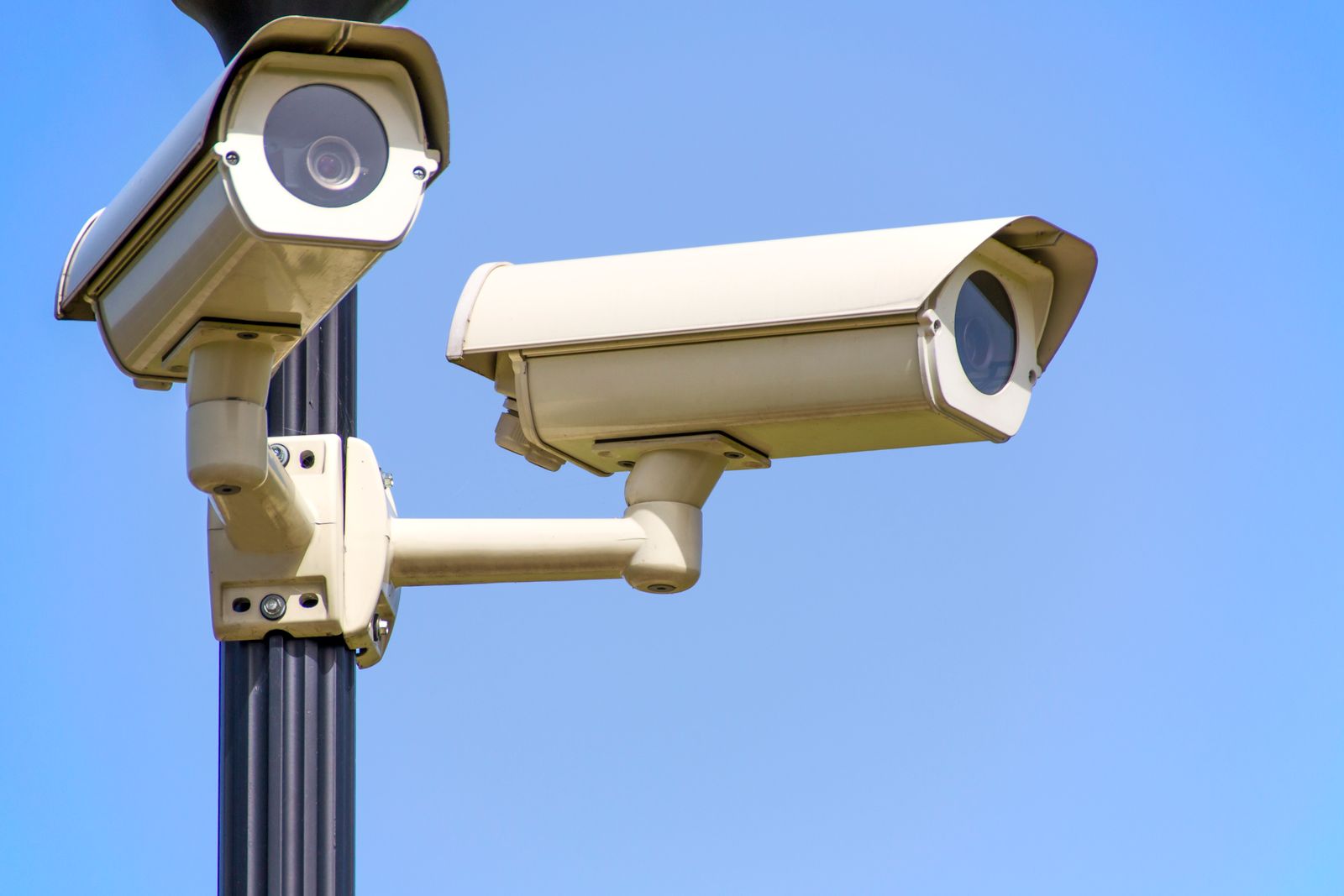
Cameras That Actually Capture Something Useful
The complaint we hear most about cameras is not that they failed, but that the footage was useless when it mattered. A camera mounted high under a soffit with the driveway in the far distance gives you a shape, not a face. Carmel Home Security plans placement by standing where an intruder or a delivery driver would stand, checking what the lens sees at that height, and accounting for the streetlight or the porch fixture that will wash the image out at night. Security camera installation in Carmel also has to survive real Indiana weather, so we fit rated housings, seal every penetration, and route cable so ice and sun do not work on it. Before we leave, you see live and recorded footage from every camera on your own phone.
What a Camera Install Covers
The camera count comes out of the walkthrough. These are the elements every job includes.
- 01
On-site sightline survey
We walk the property and identify the approach paths, the blind spots and the angles that duplicate each other, so you buy coverage rather than camera count.
- 02
Exterior camera mounting
Cameras go at a height that captures faces rather than the tops of heads, on solid structure, with weather-rated housings suited to Indiana winters.
- 03
Interior camera placement
Where you want inside coverage, we position it toward entry points and away from bedrooms and bathrooms, and explain the privacy considerations before anything is fitted.
- 04
Cable routing and power
Runs are fished through attics, soffits and crawl spaces wherever possible so no cable is visible, and every exterior penetration is sealed against water.
- 05
NVR or cloud recording setup
You choose local recording on a network video recorder, cloud storage, or both, and we size the retention window to how long you would realistically need to go back.
- 06
Night vision and low-light tuning
Infrared and low-light settings are adjusted on site against your actual porch and street lighting so the night image is usable rather than blown out.
- 07
Motion zone and sensitivity configuration
Detection zones are drawn to exclude the sidewalk and passing headlights, so alerts mean something instead of arriving every ninety seconds.
- 08
Mobile app viewing and alerts
Live view, clip playback and notifications are set up on every phone in the household, and we watch you use it once before we leave.
- 09
Integration with your alarm system
Where you have a panel, cameras are tied in so a triggered zone can pull up the relevant view instead of leaving you to hunt for it.
- 10
Weatherproofing and cable protection
Connections are housed and sealed, drip loops are formed, and exposed runs are protected so the system survives freeze-thaw cycles without corroding.
How a Camera Job Runs
Walk the property
A technician walks the exterior with you, usually in daylight and with a note of what the lighting does after dark. You point out what has been happening — the driveway, the side gate, the back slider — and we mark the positions that cover it with the fewest cameras. Expect around 45 minutes.
Layout and written quote
You get a plan showing each camera position, what it sees, the recording method and the retention period, at a single flat installed price. If a position needs a longer cable run or an added power source, that is stated up front rather than appearing as an extra later.
Install, aim and hand over
Cameras are mounted, cabled and sealed, then aimed on a live feed while someone stands in the frame, so the angle is confirmed rather than estimated. Recording, motion zones and night settings are configured, the app goes on your phones, and we review the footage together before the job closes.
Why Our Camera Work Holds Up
Angles are proven on site, not guessed from a ladder
Every camera is aimed against a live image with a person standing where you care about, so you know what the footage will look like before we pack up.
Four good positions beat eight weak ones
Extra cameras that overlap the same driveway add cost and clutter your alerts. The survey exists to strip those out.
Alerts are tuned so you keep using the system
A camera that notifies you about every passing car gets muted within a week. Motion zones and sensitivity are set on your property, at your lighting, before we leave.
- Licensed Indiana Alarm Contractor
- Insured & Bonded
- Flat-Rate Written Pricing
- Concealed Cable Routing
- Weather-Rated Equipment
- Workmanship & Equipment Warranty
Put Cameras Where They Will Do Some Good
If something has already happened at your house, the footage you wish you had is a specific angle, not a general one. A walkthrough works out exactly which angles those are, and what covering them will cost.